



Innovation Meets Tradition: Modern Culinary Techniques Enhancing Italian Excellence
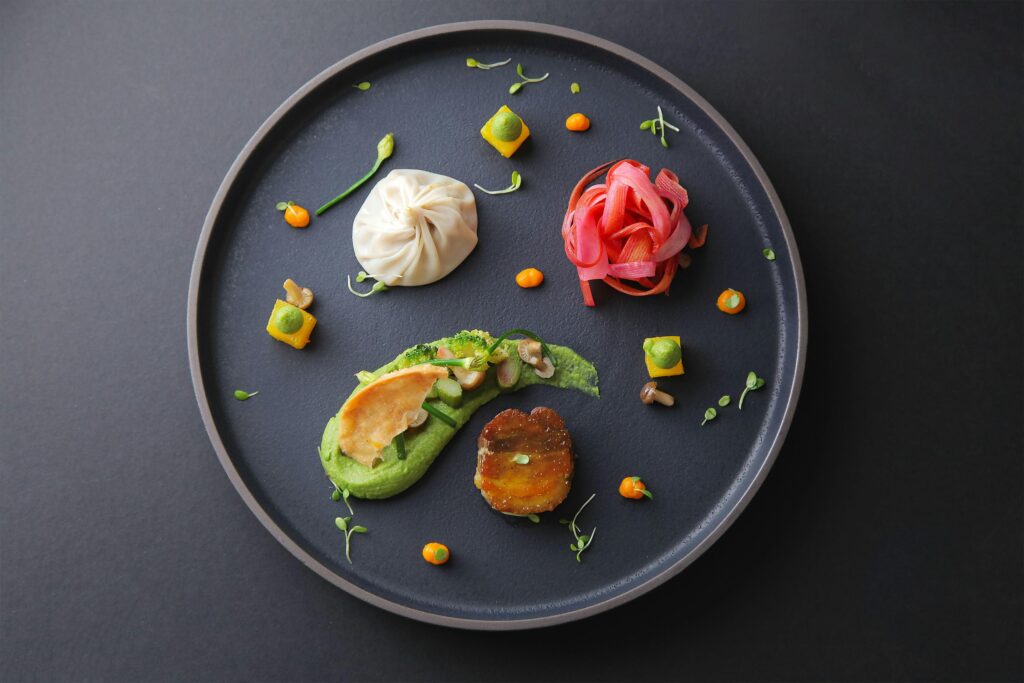
In recent years, Italian cuisine has been undergoing a quiet yet meaningful transformation. Without abandoning its identity—rooted in the quality of raw ingredients and the clarity of its flavors—it has progressively embraced advanced cooking and preparation techniques once associated primarily with experimental fine dining. Spherification, sous-vide cooking, controlled gelification, cold processing, and precision techniques do not represent a break from tradition; rather, they offer new ways to interpret it, aligning Italian gastronomy with the expectations of an increasingly sophisticated global market.
The strength of Italian cuisine has always resided in its raw materials: tomatoes, extra virgin olive oil, durum wheat, aged cheeses, selected meats, artisanal preserves, and carefully crafted specialties. The introduction of techniques such as spherification does not aim to alter the identity of these products, but to concentrate and elevate their essence. A balsamic vinegar pearl that bursts on the palate, a sphere of tomato extract encapsulating the intensity of a traditional sauce, or a light foam that preserves the aromatic profile of a PDO cheese—each example demonstrates that the true value lies not in visual impact, but in the ability to amplify purity of flavor.
Similarly, sous-vide cooking represents an evolution grounded in control, precision, and respect for the ingredient. Applied to premium Italian meats, fish, or vegetables, it preserves texture, juiciness, and organoleptic properties more effectively than many conventional methods. For international buyers, this translates into consistency, reliability, and enhanced product performance—critical factors in both fine dining and high-end foodservice environments. Technology, in this context, does not replace the ingredient; it protects it, stabilizes it, and allows it to express its full potential.
At the core of this evolution lies the intrinsic value of the raw material. Modern culinary techniques demand excellence; contrary to common assumptions, they do not conceal imperfections but highlight them. Spherification succeeds only when the base liquid is balanced and intense. Low-temperature cooking faithfully reflects the quality of the meat or fish used. This aspect is particularly relevant in international markets: technological innovation applied to Italian food becomes a true value multiplier only when supported by strong supply chains, traceability, authenticity, and consistent quality standards.
In a global marketplace where the gastronomic experience plays an increasingly strategic role—from fine dining restaurants to premium retail concepts—the combination of Italian tradition and contemporary techniques creates new positioning opportunities. Italian products are no longer solely ingredients for iconic recipes; they become versatile components within an evolved culinary language, capable of adapting to diverse aesthetic and cultural contexts without losing their identity. For buyers and international operators, this means offering products that perform equally well in traditional settings and in innovative culinary concepts, enhancing perceived value and competitive differentiation.
True innovation, therefore, does not consist in moving beyond tradition, but in equipping it with new tools. When applied with expertise and balance, modern cooking techniques reinforce the distinctive message of Made in Italy: quality, authenticity, and respect for raw materials. In this perspective, technology is not an end in itself, but a strategic ally—one that allows Italian food excellence to be expressed at its highest level worldwide.