



Stracciatella vs Burrata: Understanding the Difference Between Italy’s Most Loved Fresh Cheeses
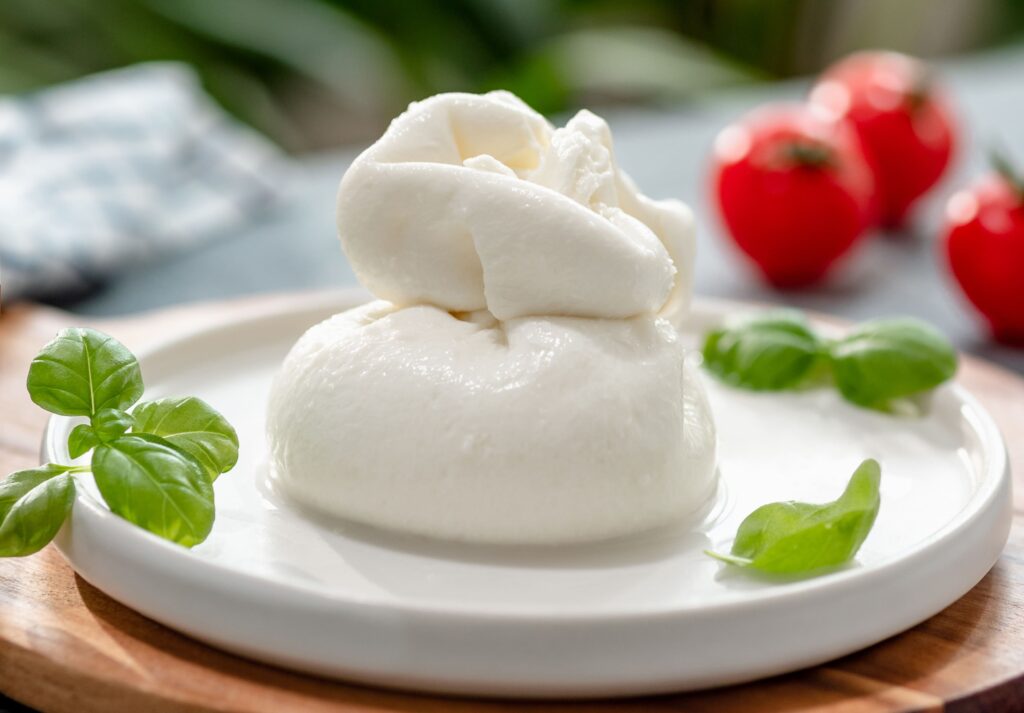
Italian fresh cheeses continue to gain popularity worldwide, especially in premium retail, foodservice and gourmet hospitality sectors. Among the most requested products in recent years, burrata and stracciatella have become true icons of contemporary Italian cuisine, appreciated for their freshness, creamy texture and versatility.
Yet outside Italy, many buyers and consumers still ask the same question: what is the real difference between burrata and stracciatella?
Understanding the distinction between these two products is becoming increasingly important not only for chefs and consumers, but also for importers, distributors and retailers looking for reliable Italian dairy suppliers.
Stracciatella vs Burrata: What Changes?
When comparing stracciatella vs burrata, the first thing to clarify is that the two products are closely connected — but they are not the same cheese.
Burrata is a fresh Italian cheese made from mozzarella with a soft filling inside. The outer shell is formed from stretched mozzarella curd, while the interior contains stracciatella: thin shreds of mozzarella mixed with fresh cream.
In simple terms, stracciatella is the creamy heart of burrata.
This is why many international buyers search for terms like “burrata vs stracciatella” or “difference burrata stracciatella”: the products share ingredients and origin, but differ in structure, presentation and culinary use.
Stracciatella Cheese vs Burrata: Texture and Culinary Applications
Another key aspect in the stracciatella cheese vs burrata comparison is how the products are used in
modern cuisine. Burrata is usually served whole and presented as a premium centerpiece dish. Its visual impact and rich texture make it especially popular in restaurants, gourmet pizza concepts and upscale retail. Stracciatella, on the other hand, offers greater flexibility in foodservice applications. Because it is already creamy and open, chefs frequently use it for:
– gourmet pizzas
– pasta dishes
– bruschetta and focaccia
– sandwiches
– contemporary appetizers
– fine dining plating
The growing popularity of Italian aperitivo culture and premium casual dining has significantly increased international demand for stracciatella in recent years.
The Global Growth of Italian Fresh Cheeses
The international market for Italian dairy products continues to expand steadily, particularly in North America, Europe and parts of Asia.
Consumers are increasingly looking for authentic Italian products with clear origin, artisanal identity and premium quality positioning. Fresh cheeses such as burrata and stracciatella perfectly match these trends thanks to their freshness, clean-label perception and versatility.
In the United States especially, burrata has moved from being a niche specialty product to a mainstream premium menu item. At the same time, stracciatella is becoming more widely recognized by chefs and food buyers looking for differentiated Italian ingredients.
This evolution is also creating new opportunities for importers searching for reliable burrata suppliers able to guarantee cold-chain logistics, consistent quality and export compliance.
Choosing the Right Burrata Supplier
Because fresh dairy products require careful handling and short shelf-life management, selecting the right burrata supplier is essential for international distribution.
Buyers today are not only evaluating product quality, but also:
export experience
cold-chain reliability
production consistency
food safety certifications
international logistics capabilities
flexibility for private label or foodservice formats
At Alifood, we work alongside selected Italian dairy producers to help international partners access authentic Italian fresh cheeses while ensuring efficient export coordination and supply continuity.
Italian Fresh Cheese Comparison: Tradition Meets Modern Demand
The growing attention around Italian fresh cheese comparison reflects a broader global trend: consumers increasingly want products that combine authenticity, craftsmanship and premium positioning.
Whether discussing burrata vs stracciatella or exploring new applications for Italian dairy products, one thing is clear: these cheeses are no longer temporary food trends, but established categories within the international premium food market.
For distributors, importers and foodservice operators, understanding these products — and working with experienced Italian partners — is becoming increasingly important to meet evolving consumer demand.