



The End of Compromise: How Premium Ready-to-Eat Is Redefining Modern Nutrition
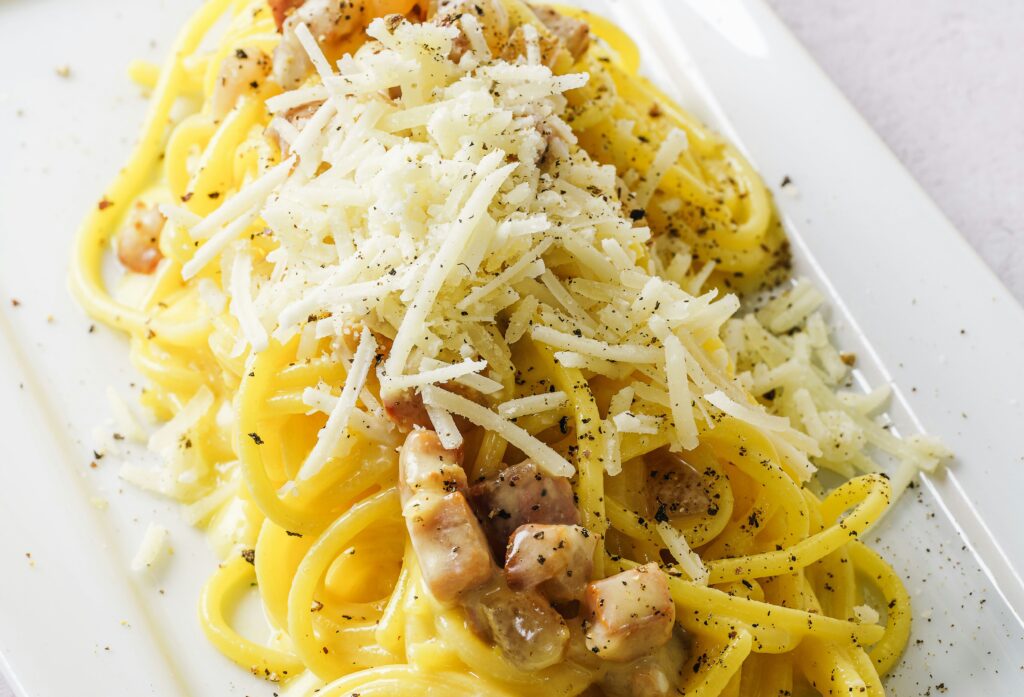
For years, the food industry operated under an implicit assumption: convenience requires compromise. If you want to save time, you must sacrifice quality, taste, or nutritional value. At Alifood, we can confidently say that this paradigm no longer applies.
Across the international markets in which we operate, we are witnessing a structural shift in consumer behavior. Time has become the scarcest resource. More than 60% of households in major Western economies are now dual-income, while single-person households have reached record levels. This transformation has fueled steady growth in the ready-to-eat sector, which by the end of 2025 has surpassed $200 billion globally, with an estimated annual growth rate of 6–8%, particularly driven by premium and health-oriented segments.
Yet the real turning point lies elsewhere. Today’s consumers are no longer willing to compromise their health goals or culinary expectations to gain twenty minutes. They read labels carefully, understand macronutrients, recognize ultra-processed ingredients, and demand transparency. At the same time, they crave authenticity, craftsmanship, distinctive flavors, and restaurant-quality experiences.
This dual literacy—nutritional and gastronomic—is fundamentally reshaping product development. In the premium segment, ready-to-eat is no longer just about convenience; it is about origin, supply chain integrity, production technique, and storytelling. It is about translating the values of quality food culture—particularly those rooted in Italian culinary tradition—into modern formats without losing authenticity. The perceived value does not derive from speed alone, but from the real quality of the ingredients and the transparency of the process.
From our perspective, one of the most promising aspects is the nutritional impact. When designed responsibly—with portion control, balanced macronutrients, and recognizable, minimally processed ingredients—premium convenience meals can positively contribute to public health. For many urban professionals, they represent a structured and nutritionally sound alternative to fast food or skipped meals. Across Europe and North America, the clean-label movement continues to influence purchasing decisions, with a growing share of consumers willing to pay a premium for products perceived as natural, traceable, and authentic.
By late 2025, the European ready-meals market has shown clear polarization: on one side, highly price-driven value products; on the other, a faster-growing premium segment fueled by innovation, ingredient quality, and sustainable packaging. Sustainability itself has become integral to the equation. Portion control helps reduce food waste, environmentally conscious packaging strengthens brand positioning, and traceable supply chains are no longer optional—they are competitive necessities.
At Alifood, we believe that “convenient” should never mean “compromised.” The brands leading this evolution understand that modern consumers expect clean labels, calibrated portions, authentic flavors, and a quality level comparable to freshly prepared meals. Production technologies—whether high-pressure processing, controlled cooking methods, or advanced preservation techniques—are tools to protect nutrients and organoleptic properties, not to conceal deficiencies.
Looking ahead, we anticipate further development toward personalization: increasingly tailored nutritional solutions, greater sensitivity to specific dietary requirements, and more flexible, potentially localized production models. This is not a passing trend; it represents a fundamental realignment in how modern consumers integrate food into their daily lives.
The era of choosing between quality and convenience is over. The future of premium ready-to-eat is built on balance, transparency, and genuine value—and this is the direction in which we continue to shape our vision.