



Drying Food Preservation Methods: Dehydrated vs Freeze-Dried Food for B2B Buyers
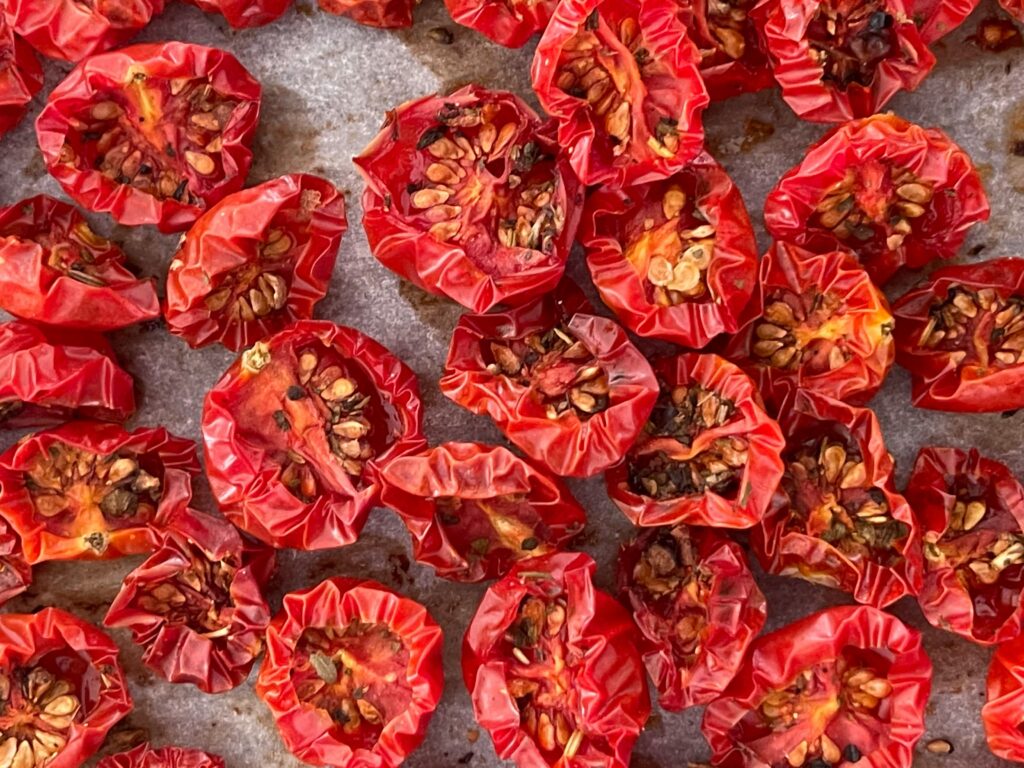
For thousands of years, drying food preservation has been one of the most effective ways to extend shelf life while maintaining nutritional value and flavor. Today, despite major technological advances in the food industry, food drying methods remain essential across retail, foodservice and industrial food production.
From air dried food specialties to industrial dehydrated ingredients, dried foods continue to play a strategic role in international food trade thanks to their stability, versatility and logistical advantages.
At the same time, modern buyers are increasingly comparing traditional dehydrated food with alternative preservation technologies such as IQF (Individually Quick Frozen) and freeze-dried products, particularly when evaluating shelf life, transportation costs and end-use applications.
Why Food Drying Methods Are Still Relevant Today
Food drying works by reducing the water content of a product, limiting microbial growth and slowing down spoilage processes. This simple but highly effective principle makes drying one of the oldest and most sustainable food preservation techniques still widely used today.
Modern food drying methods include:
- air drying
- hot air dehydration
- spray drying
- drum drying
- vacuum drying
- sun drying for traditional products
Each technique offers different advantages depending on the product category, target market and intended application.
Today, dehydrated food products are used extensively across:
- retail packaged foods
- industrial ingredients
- sauces and ready meals
- snacks
- bakery production
- foodservice applications
Air Dried Food and Premium Market Trends
In recent years, air dried food products have experienced renewed popularity, especially within premium and health-oriented markets.
Consumers increasingly associate air drying with:
- minimal processing
- authentic flavor preservation
- clean-label positioning
- artisanal quality perception
Products such as dried tomatoes, mushrooms, herbs and fruit snacks have become increasingly important within gourmet retail and Mediterranean food categories.
For B2B buyers, air dried food also offers practical advantages including easier storage, lower transportation costs and longer product stability compared to chilled alternatives.
Dehydrated Food and Shelf-Life Advantages
One of the main commercial advantages of dehydrated food is extended shelf life.
Depending on the product category and packaging conditions, dried food shelf life can range from several months to multiple years without requiring frozen logistics.
This creates significant operational benefits for:
- international distributors
- importers
- private label operators
- food manufacturers
- foodservice wholesalers
Compared to fresh or refrigerated products, dehydrated foods reduce waste, simplify inventory management and improve supply chain efficiency.
As global food logistics become increasingly complex, shelf-stable products are gaining additional strategic importance in international trade.
Drying vs Freeze Drying: What Is the Difference?
One of the most common questions among buyers today concerns drying vs freeze drying.
Although both methods remove moisture from food, the technologies and final results differ considerably.
Traditional drying methods use heat and airflow to evaporate water content gradually. Freeze drying, instead, removes water through sublimation at very low temperatures under vacuum conditions.
Main differences between dehydrated and freeze-dried food:
Traditional Drying
- lower production costs
- more compact product structure
- stronger concentrated flavors
- simpler industrial scalability
- lower storage and transport costs
Freeze Drying
- higher retention of original shape
- lighter product weight
- superior nutrient preservation
- rapid rehydration capability
- premium positioning and higher costs
Freeze-dried products are widely used in:
- nutraceuticals
- premium snacks
- space-saving food applications
- specialty ingredients
Traditional dehydrated food, however, remains dominant in many large-scale B2B sectors thanks to its cost efficiency and production scalability.
IQF vs Dehydrated Food for B2B Buyer
Another increasingly relevant comparison is IQF versus dehydrated food.
IQF technology preserves food through rapid freezing, maintaining product texture and freshness extremely effectively. However, IQF products require continuous cold-chain logistics and frozen storage infrastructure.
Dehydrated food products offer several different advantages:
- ambient storage capability
- reduced logistics costs
- easier international shipping
- lower energy consumption during transport
- longer shelf stability
For many international importers and food manufacturers, the choice between IQF and dehydrated products depends on:
- target application
- infrastructure availability
- shelf-life requirements
- distribution model
- cost optimization strategy
In many cases, both technologies coexist within the same product portfolio depending on market positioning.
Choosing a Reliable Dried Food Supplie
As demand for shelf-stable ingredients grows internationally, selecting the right dried food supplier becomes increasingly important.
B2B buyers today evaluate suppliers not only on product quality, but also on:
- production consistency
- food safety certifications
- export capabilities
- traceability standards
- packaging flexibility
- logistics reliability
For international markets, experienced suppliers must also support documentation and compliance processes required for cross-border food trade.
At Alifood, we collaborate with selected Italian producers specialized in dehydrated food products and Mediterranean ingredients, supporting international partners with sourcing coordination and export management.
FAQ – Drying Food Preservation
What is the difference between dehydrated food and freeze-dried food?
Dehydrated food uses heat and airflow to remove moisture, while freeze-dried food removes water through low-temperature vacuum sublimation. Freeze drying generally preserves shape and nutrients more effectively, but comes with higher production costs.
How long does dried food shelf life last?
Depending on the product and packaging conditions, dried food shelf life can vary from several months to multiple years without refrigeration.
Is air dried food healthier than other preservation methods?
Air dried food is often perceived as more natural because it typically involves minimal processing and fewer additives, although nutritional outcomes depend on the specific product and drying process.
Why do B2B buyers choose dehydrated food?
Dehydrated food offers major advantages including long shelf life, easier transportation, reduced storage costs and greater supply chain flexibility.
What is better for international trade: IQF or dehydrated food?
It depends on the application. IQF products preserve freshness and texture better, while dehydrated foods simplify logistics and reduce transportation costs thanks to ambient storage capability.